A garnish can feel like the easiest part of a cocktail to skip.
You have already measured the ingredients, squeezed the citrus, shaken or stirred the drink, found the glass, and dealt with the ice. Then the recipe asks for one more thing: an orange twist, a mint sprig, a salted rim, a cherry, a few olives, or a dusting of nutmeg. At that point, it is fair to ask whether the garnish is actually doing anything?
As usual, the answer is ‘sometimes’.
Sometimes, it’s mostly there to make the drink look good. That isn’t meaningless. A cocktail is partly visual, and a thoughtful garnish can make a drink feel finished, intentional, and more inviting. But the more useful distinction is whether the garnish affects the flavor of the drink, either directly or through aroma.
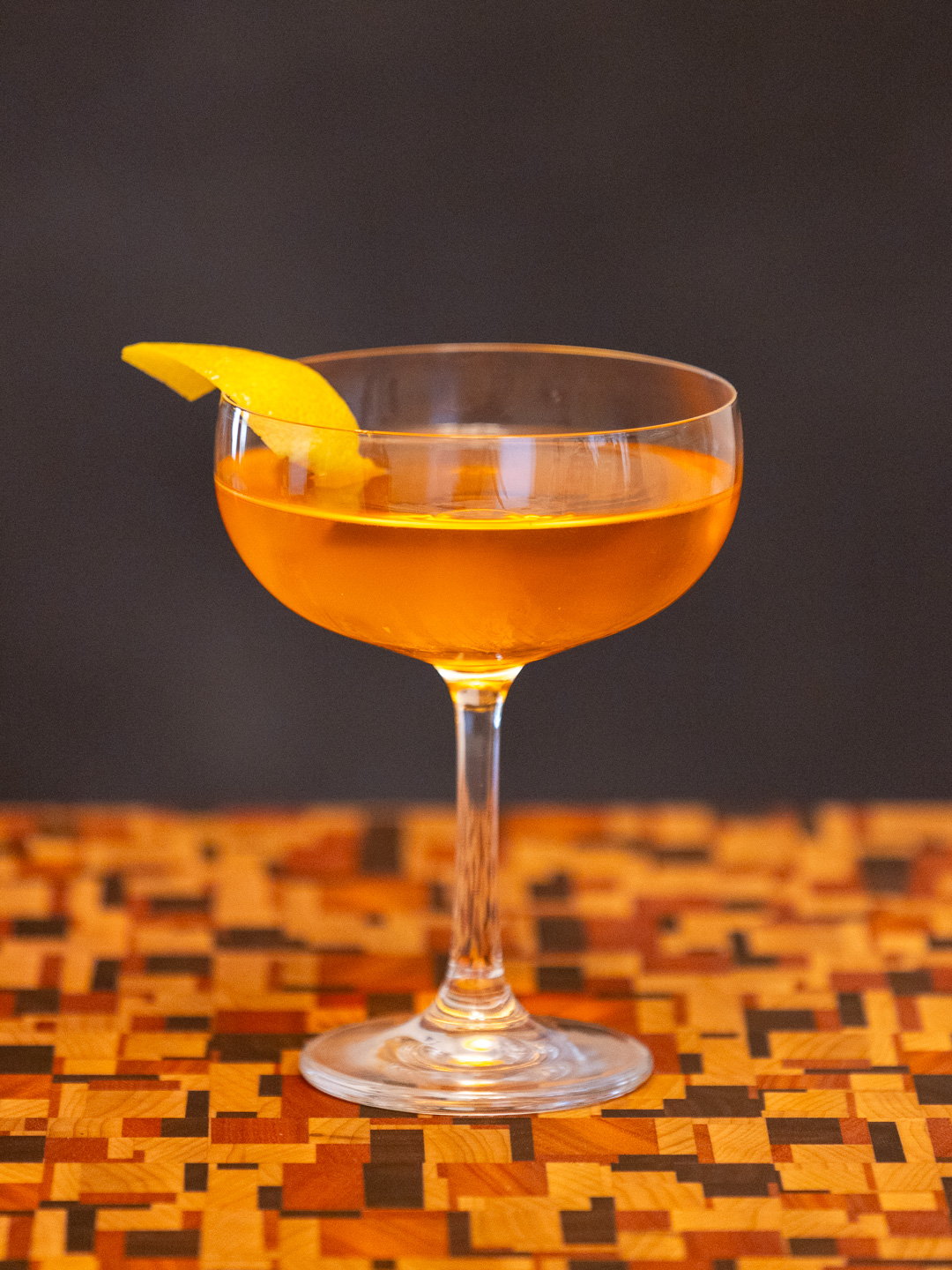
Flavor is not just what happens on your tongue. Much of what we experience as flavor comes from smell, which is why a small garnish can have an outsized effect. A lemon twist in a Martini or an orange twist in an Old Fashioned is not there to add juice. Expressed over the surface of the drink, the oils in the peel add a bright aromatic that accents each sip. A Martini with a lemon twist feels cleaner and sharper. An Old Fashioned with orange oil feels warmer and more rounded. The recipe has not changed much, but the experience can be meaningfully different.
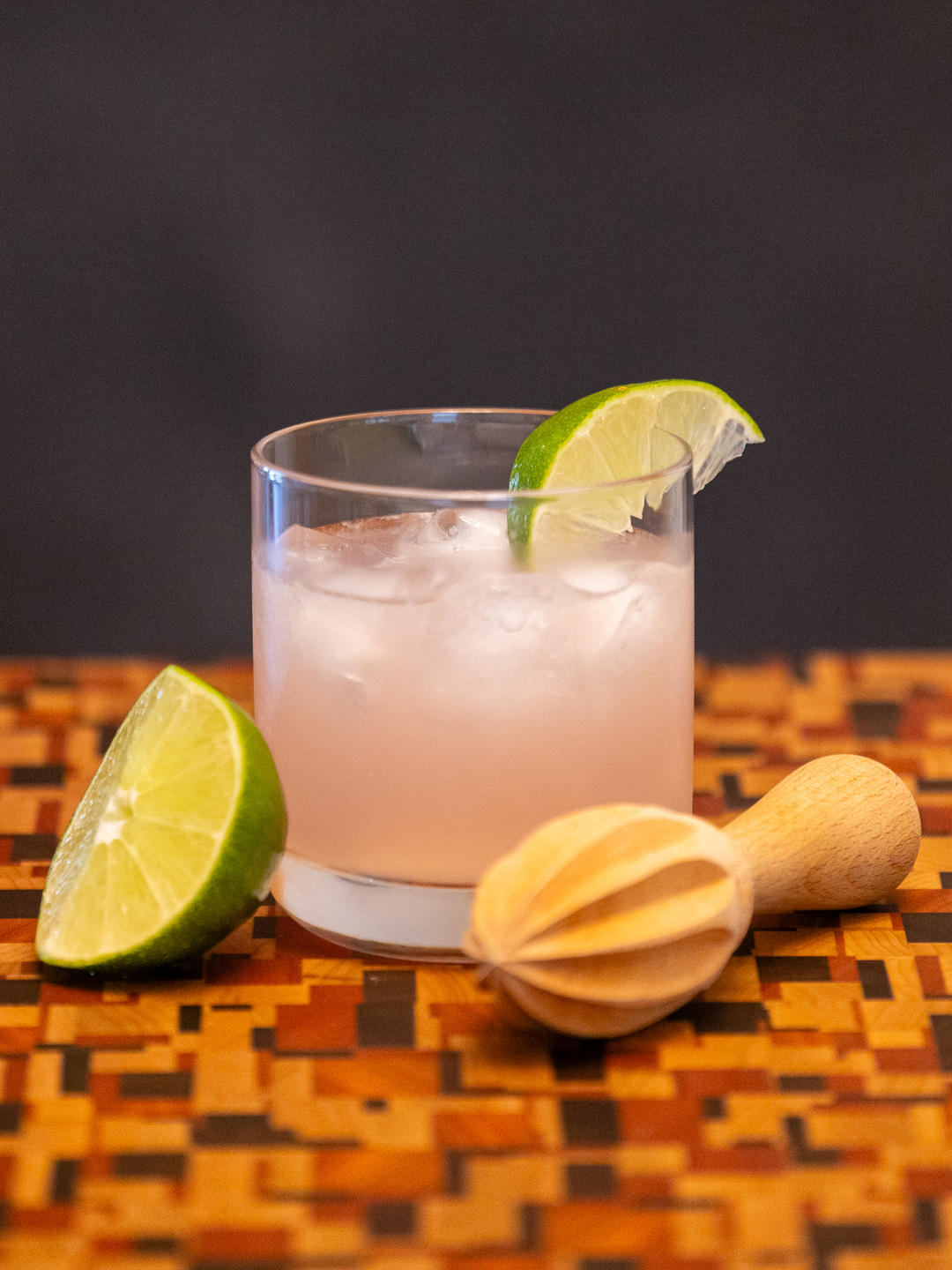
Other garnishes work because they adjust the balance of the cocktail. A lime wedge in a Gin and Tonic, Moscow Mule, Margarita, or Cuba Libre gives the drinker a way to add acidity. A salted rim on a Margarita or Paloma makes the citrus feel more vivid, softens bitterness, and adds a savory edge. A sugared rim on a Sidecar changes the first impression of each sip, bringing sweetness before the lemon and brandy come through. These are not just decorations, they enhance the drink.
Some garnishes take a stronger role in helping to define the drink’s character. Take a Martini as an example. An olives move it in a savory, briny direction, while a lemon twist makes it feel crisp and aromatic. A cocktail onion turns the same general template into a Gibson. Freshly grated nutmeg on Eggnog, a Brandy Alexander, or a Painkiller adds warmth and aroma that keeps rich drinks from tasting flat or heavy. Bitters dashed on the foam of a sour do similar work, adding spice and contrast before the first sip even lands. These are flavors that would otherwise not be present, so their inclusion is not optional.
When deciding whether a garnish matters, think about what job the garnish is doing. If it adds aroma, acidity, salt, or new flavors, it may be an essential part of the drink. If it mainly adds color or visual polish, it is optional. A dehydrated citrus slice, an edible flower, or a cocktail umbrella can make a drink look better, but the cocktail usually does not depend on it.
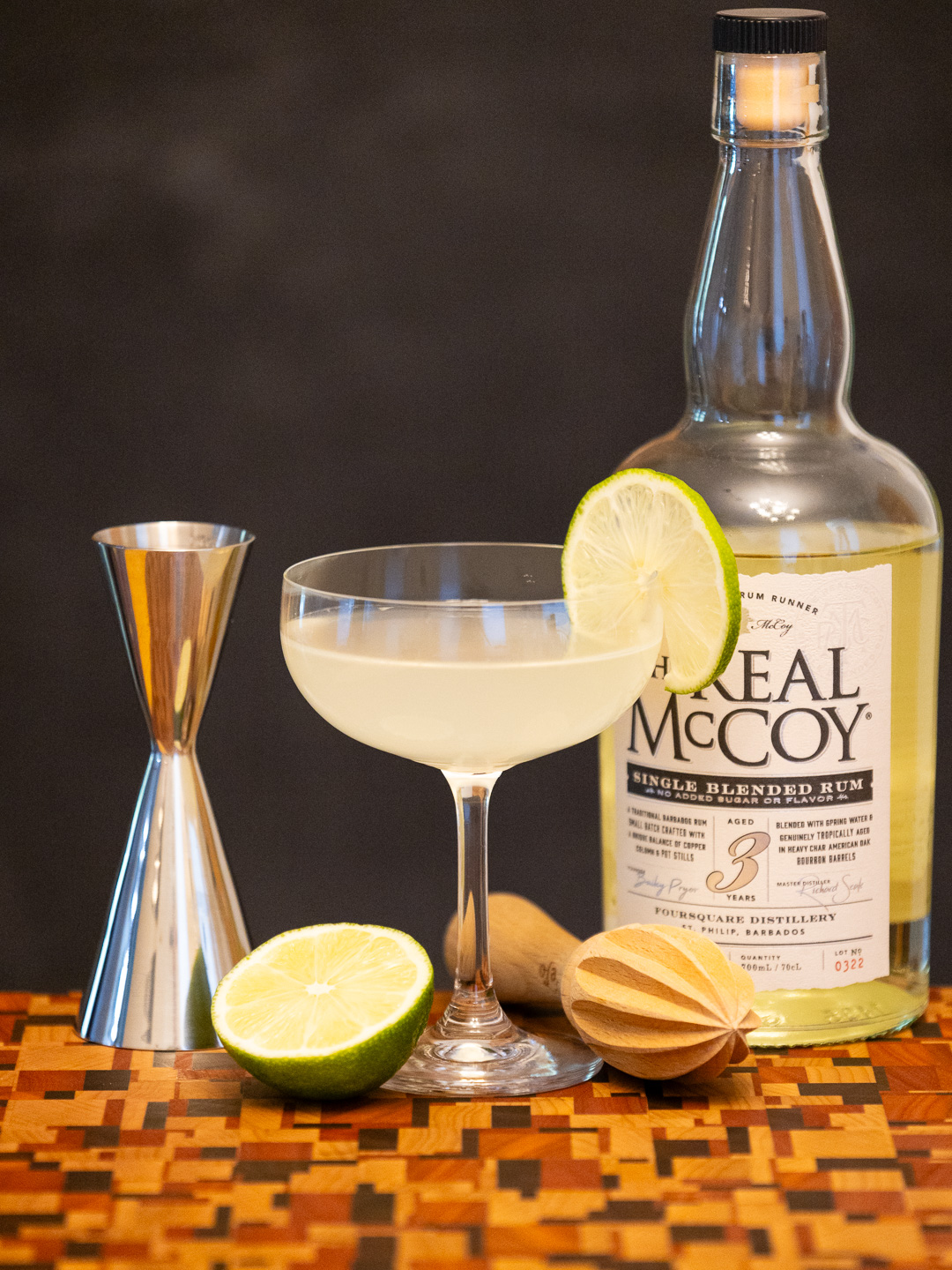
This matters most in simple drinks. In a Martini, Old Fashioned, Margarita, or Mint Julep, there are few ingredients, so a twist, rim, or herb garnish can shape the whole experience. In a more complex tropical drink, a missing pineapple frond is probably less important.
So should you bother with the garnish? When it changes how the drink smells, tastes, or feels, yes. When it only makes the drink prettier, use it when you have it and skip it when you do not. A good garnish should make the drink feel more complete, not more complicated.